
Faculty

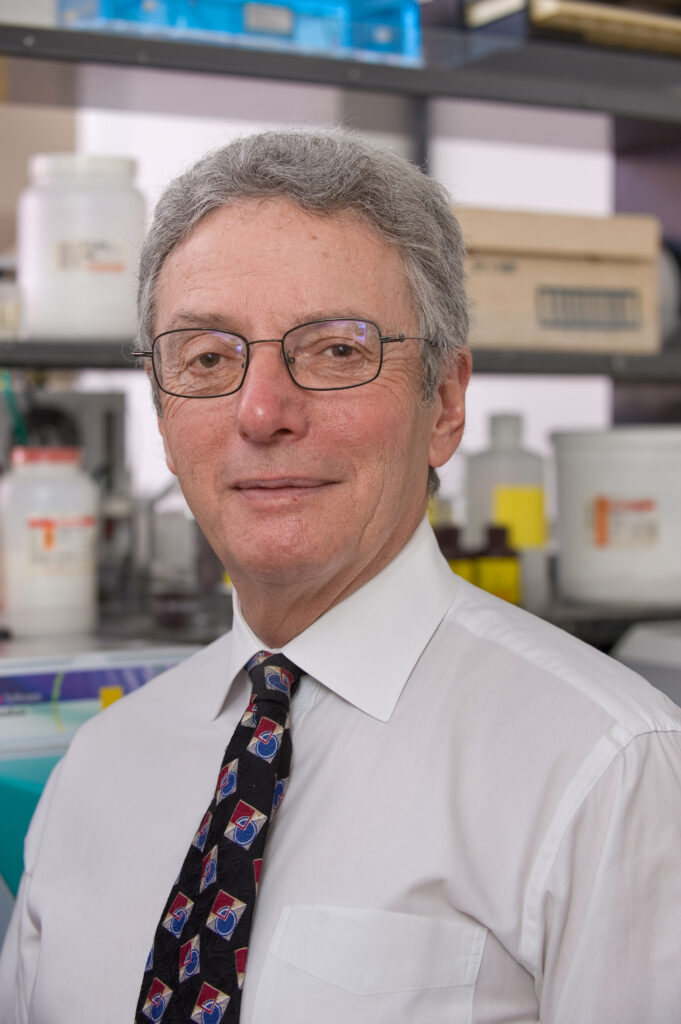
Daryl L. Davies, PhD

Associate Professor
Clinical Pharmacy and Pharmaceutical Economics & Policy

Phone: 323-442-1427
Fax: 323-442-1704
Email: ddavies@usc.edu
Web: Undergraduate Research

Research Interest

Alcohol abuse and dependence in the United States affects over 17 million people, causing over 100,000 deaths, and costing nearly $200 billion annually. Despite considerable efforts focusing on new drug development to reduce alcohol abuse, high rates of uncontrolled heavy drinking persist. Currently approved medications attempt to deter alcohol intake by blocking ethanol metabolism or by targeting the neurochemical systems downstream of the cascades leading to craving and dependence. Unfortunately, the clinical efficacy of these approaches is highly unsatisfactory, with unacceptable tolerance and side effects that limit the therapeutic compliance and may further exacerbate the severity of comorbid mental conditions, such as anxiety-spectrum and mood disorders. The lack of currently available effective treatment strategies is highlighted by the urgent call by the National Institute of Alcohol Abuse and Alcoholism (NIAAA) and the Department of Defense (DoD) to bring in new and paradigm changing therapeutics to either prevent or treat alcohol-related problems.

To address this issue, my laboratory focuses on identifying molecular sites of alcohol action in purinergic receptors (P2XRs). The P2X superfamily of fast acting, cation-permeable ion channels are gated by synaptically released extracellular adenosine 5’-triphosphate (ATP). To gain important insight into the role of P2XRs in alcohol abuse and dependence we use state-of-the-art, multi-methodological approaches including molecular genetics, viral-mediated gene knock-down and in vitro electrophysiology in our investigations. The long-term goal of this work is to identify novel targets for alcohol action in the brain in order to develop new approaches for preventing and treating alcohol use disorders.

As part of this effort, my laboratory is gaining recognition at USC for our ability, expertise and patience to train individuals in the use of electrophysiological techniques ranging from 1) Two-electrode voltage clamp in Xenopus oocytes; 2) Whole cell patch clamp in recombinant and dissociated neurons; 3) Patch clamp in brain slice and 4) Hi-throughput automated electrophysiology. This philosophy has worked well in my laboratory and includes successful training of high school, undergraduate and graduate students as well as faculty members at the School of Pharmacy and across other Schools at USC as well as visiting faculty members from other universities.

I am a firm believer in using an interdisciplinary approach. To this end, in collaboration with a large number of investigators at USC use a combination of behavioral, pharmacological, electrophysiological, molecular, genetic, computational and medicinal chemistry approaches in our investigations.

Current collaborative projects:

1) Investigations with Dr. Ronald Alkana in the Department of Pharmacology and Pharmaceutical Science (PPSI), USC School of Pharmacy: Together our laboratories investigate the action of alcohol on another superfamily of ligand-gated ion channels (the cys-loop superfamily including GABAA, Glycine, 5HT3 and nACh. The long term goal of this work focuses on the development of pharmacotherapeutic treatment strategies for the treatment of alcohol abuse and alcoholism.

2) Investigations with Dr. Stan Louie (CPPEP), Marco Bortolato (PPSI) Nicos Petatis (Chemistry, USC) and Ruth Wood (Dept. Cell & Neurobiology, Keck School of Medicine): Together our laboratories are investigating the utility of using currently approved FDA drugs for new indications (repurposing). Defining novel drug therapies through repurposing of FDA approved agents represents a safe and effective approach to drug development that can rapidly make new treatment strategies available. The NIH has highlighted this approach as one of their priorities to bring new agents to the clinical setting. Although an attractive approach, this strategy requires an integrative effort to identify and optimize the compound identified for implementation. To this end, we are pursuing the unexpected yet exciting discovery that the anthelmintic agent ivermectin (IVM) significantly reduces alcohol intake in mice.

3) Regulatory issues in collaboration with Dr. Frances Richmond, Regulatory Science Program: This collaboration has led to a new 12 unit graduate certificate in Pre-Clinical Development in Regulatory Sciences at the School of Pharmacy. The Certificate in Preclinical Development is a program that describes the many facets of “Bench to Bedside” translational medicine. This is the stage in the development of a new drug that begins before clinical trials (testing in humans) can begin, and during which important safety and pharmacology data is collected. Preclinical studies must adhere to Good Laboratory Practices (GLP) and International Conference on Harmonization (ICH) Guidelines to be acceptable for submission to regulatory agencies such as the FDA in the United States. Our certificate program at USC includes coursework delivered in nontraditional formats such as intensive weekend sessions and will use distance capabilities to capture and web cast lectures and study materials.


Biography

2008-present: Associate Professor of Clinical Pharmacy, Titus Family Department of Clinical Pharmacy and Pharmaceutical Economics & Policy, School of Pharmacy, University of Southern California.

2005-2008 Research Associate Professor, Molecular Pharmacology and Toxicology, School of Pharmacy, University of Southern California.

1999-2005 Research Assistant Professor, Molecular Pharmacology and Toxicology, School of Pharmacy, University of Southern California.

1997-present Director, Alcohol and Brain Research Lab, School of Pharmacy, University of Southern California, Los Angeles, California

1996 Post Doctoral Research Associate, Alcohol and Brain Research Lab, School of Pharmacy, University of Southern California, Los Angeles, California.

1996 University of Southern California, School of Pharmacy, -- Ph.D. Molecular Pharmacology and Toxicology. Dissertation Title: Do Allosteric Coupling Pathways for the Benzodiazepine, Barbiturate and Neuroactive Steroid Recognition Sites on the GABA-A Receptor Represent Initial Sites of Action for Ethanol? Mentor: Ronald L. Alkana, Pharm.D., Ph.D.

1992 California State University, Dominguez Hills, M.A. -- Biology (Emphasis in Molecular Biology).

1990 CSU, Dominguez Hills, Carson, California-B.A. ? Biology with honors.

Professional Affiliations
Sigma Xi, 1991-present
Research Society on Alcoholism, 1993-present
Society for Neuroscience, 1994-present
International Society for Biomedical Research on Alcoholism, 1996-present
Drug Information Association, 1996-present
American Society for Pharmacology and Experimental Therapeutics, 1997-present

Grant Reviewer (Ad hoc)
U.S. Army Medical Research and Materiel Command (USAMRMC)
Editorial Reviewer (Ad hoc)
Alcohol; Alcohol and Health; Alcoholism Clinical and Experimental Research
Science Fair Judge
Bravo High School; Los Angeles County; California State

Click here for:

PubMed Search

Research Support

A Potential Role for ATP-Gated P2X4 Receptors in Alcohol Consumption (Principal Investigator). Integrative Neurosciences Initiative on Alcoholism (NIAAA/INIA 2009-2011). This pilot project investigates the role of P2X4 receptors (P2X4Rs) expressed in neurons and microglia in alcohol. We are currently determining the levels of alcohol intake in P2X4 knockout vs wildtype mice. In addition, patch clamp electrophysiology is being used determine the effects of alcohol on ATP-gated currents in ventral tegmental area and the nucleus accumbens. For model systems in this work we use neurons dissociated from P2X4 KO mice as well as P2X4 receptors endogenously expressed in BV-2 microglial cell lines.

Sites & Mechanisms of Ethanol Action in P2X Receptors (Principal Investigator) NIAAA, NIH, 2004-2011. The primary goal of this project is to identify molecular sites of action of ethanol on purinergic receptors. Presently, little is known about the sites and mechanisms of ethanol action on P2X receptors. The current proposal begins to answer three key questions: 1) What P2X receptor subtypes in recombinant receptors are sensitive to ethanol? 2) What P2X receptor subtypes in native receptors are sensitive to ethanol? and 3) What are the molecular sites/mechanisms of ethanol action in P2XRs?

Selected Projects/Publications

Ostrovskaya O, Asatryan L, Popova M, Wyatt, L, Li K-X, Peoples RW, Alkana RL and Davies DL. Ethanol is a Fast Channel Inhibitor of P2X4 Receptors, in press 2011, J. Pharmacol. Exp. Ther. PMID: 21212160

Asatryan L, Popova M, Perkins DI, Trudell JR, Alkana RL and Davies DL. Ivermectin Antagonizes Ethanol Inhibition in P2X4 Receptors. J. Pharmacol. Exp. Ther. 334:720-8, 2010. PMID: 20543096

Perkins DI, Trudell JR, Crawford DC, Alkana RL and Davies DL. Molecular Targets and Mechanisms for Ethanol Action in Glycine Receptors. Pharmacol Ther. 127: 53-65, 2010 PMID: 20399807.

Popova M., Asatryan L., Ostrovskaya O., Li K., Alkana R.L. and D.L. Davies. Amino Acid Residues at the Ectodomain - Transmembrane Domain 2 Interface Play a Role in Ethanol Sensitivity of P2X4 Receptors. J Neurochem. 112(1):307-17, 2010. PMCID: PMC2809143

Kulkarni AA, Davies DL, Links JS, Patel LN, Lee VHL, Haworth IS. A charge pair interaction between Arg 282 in transmembrane segment 7 and Asp 341 in transmembrane segment 8 of hPepT1. Pharma Research {2007} 24:66-72.

Links JLS, Kulkarni AA, Davies DL, Lee VHL, Haworth IS. Cysteine scanning of transmembrane domain three of the human dipeptide transporter: implications for substrate transport. J Drug Tareting {2007} 15:218-25.

Crawford DC, Trudell JR, Bertaccini EJ, Li K, Davies DL, Alkana RL. Evidence that ethanol acts on a target in loop 2 of the extracellular domain of al glycine receptors. J Neurochem {2007} 102:2097-2109.