
Tony Succar, PhD, MScMed (OphthSc)
Tony Succar, PhD, MScMed(OphthSc), is passionate about applying his regulatory, clinical and translational research experience to teaching regulatory science for pharmaceuticals, biologics, medical devices, and combination products, as well as clinical trial optimization to the next generation of regulatory specialists and clinical trialists. Dr. Succar earned his Master of Science in Medicine (Ophthalmic Science) from […]
Jeany Kim Jun, PharmD, MPH, BCACP, APh
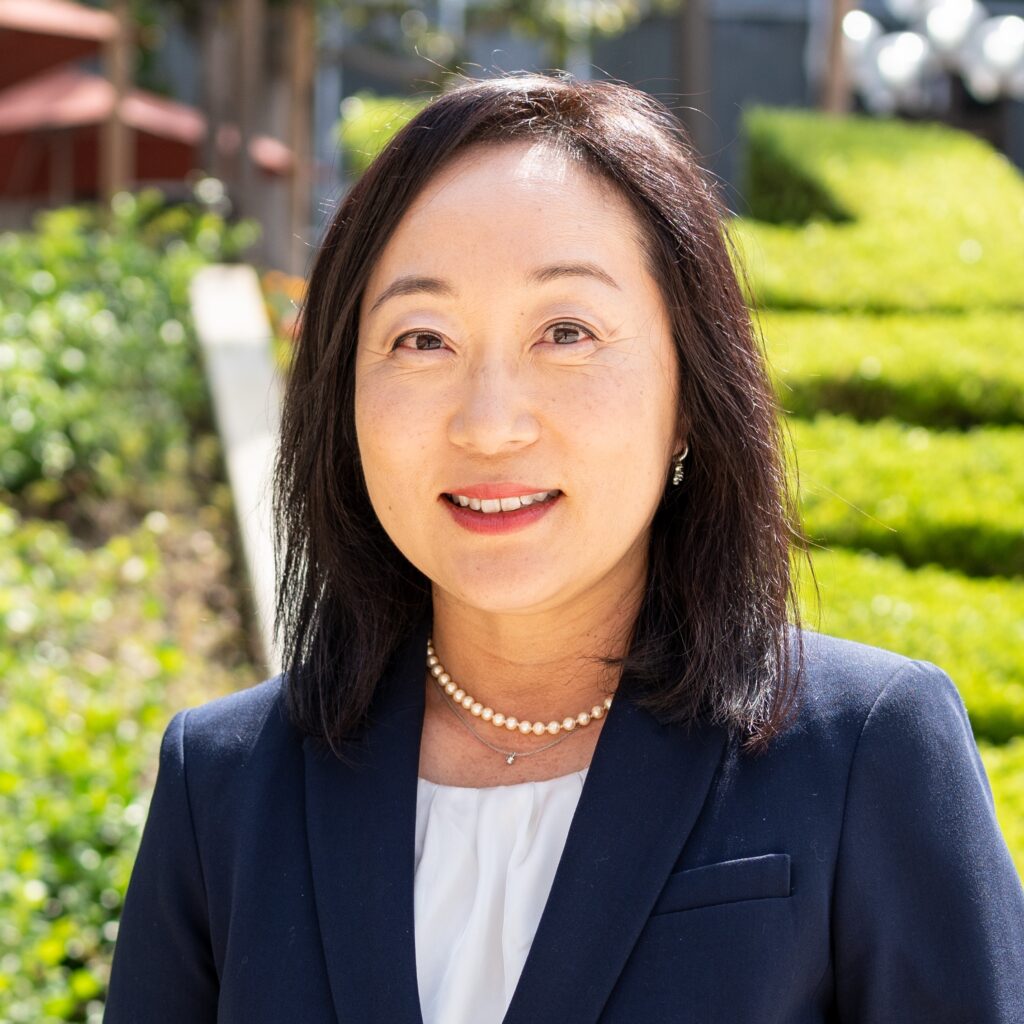
Jeany Kim Jun, PharmD, MPH, BCACP, APh is associate professor of clinical pharmacy at the USC Mann School. In the role of Director of Collaboration and Community Outreach at USC Mann, she will lead the growth of USC Mann’s interprofessional education partnerships and allow integration of student organization outreach activities, with a vision for these […]
Gauri Rao, PharmD, MS

Gauri Rao, PharmD, MS is associate professor of clinical pharmacy at the USC Mann School. She serves as the Director of the Quantitative Drug and Disease Modeling Center. An expert in quantitative modeling approaches, she leads a research program that focuses on employing a quantitative, “systems-based” approach to rationally design and optimize clinically relevant antibiotic […]
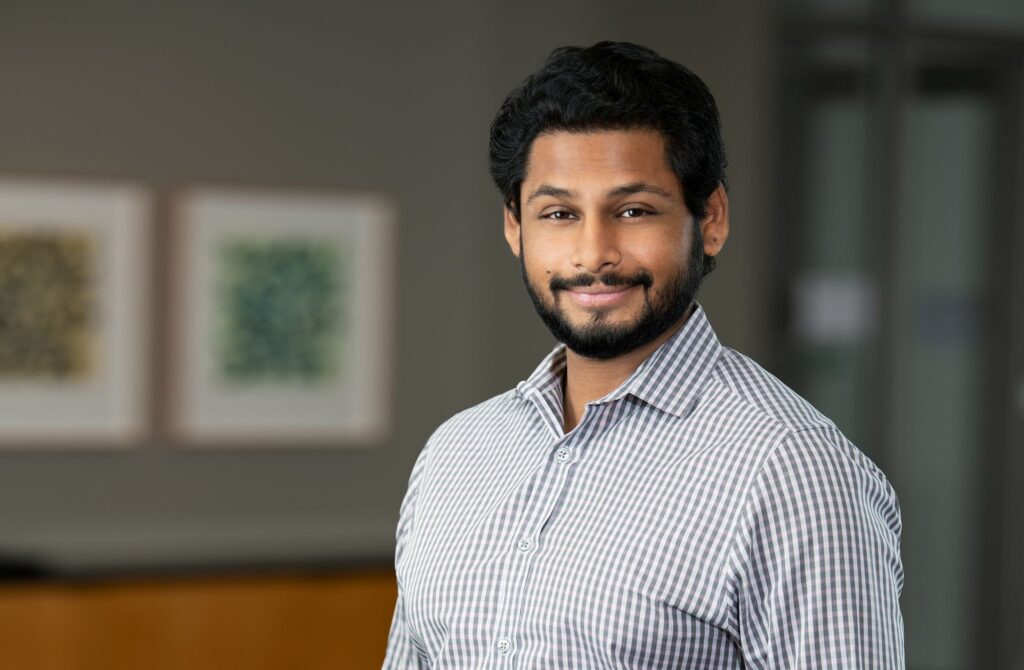
Saikrishna Sai Upadhyayula, JD, PharmD
Wendi Lau, DRSc
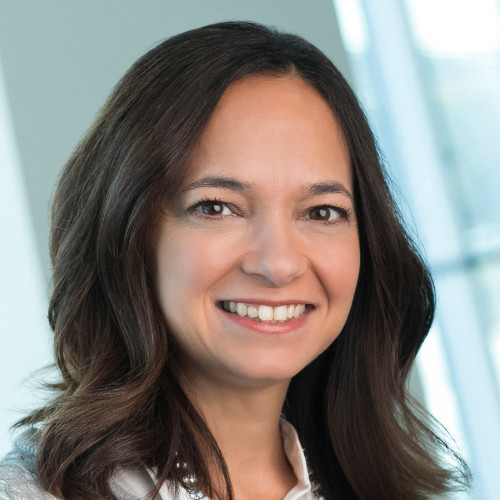
Lori Alquier, DRSc
Radhika Venkatraman Kumar, PhD
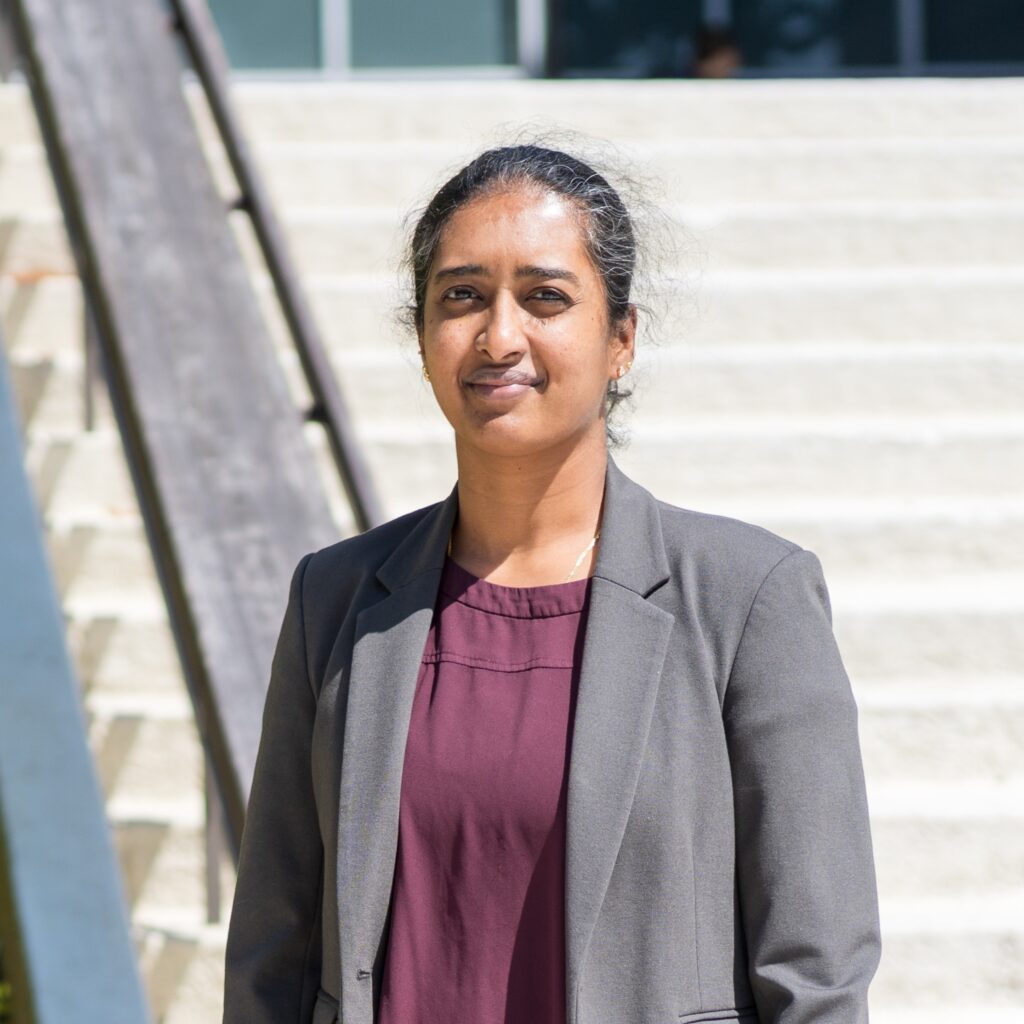
Dr. Kumar has extensive teaching experience in life sciences, pre-pharmacy, pre-med, nursing and pharmacy programs. Her research interests are drug design, synthesis, and biological evaluation of potential anti-cancer drug molecules. She also has an interest in pharmacy education and in science of teaching and learning (SoTL) and has presented and published in this area. As […]
Lawrence Liberti, PhD
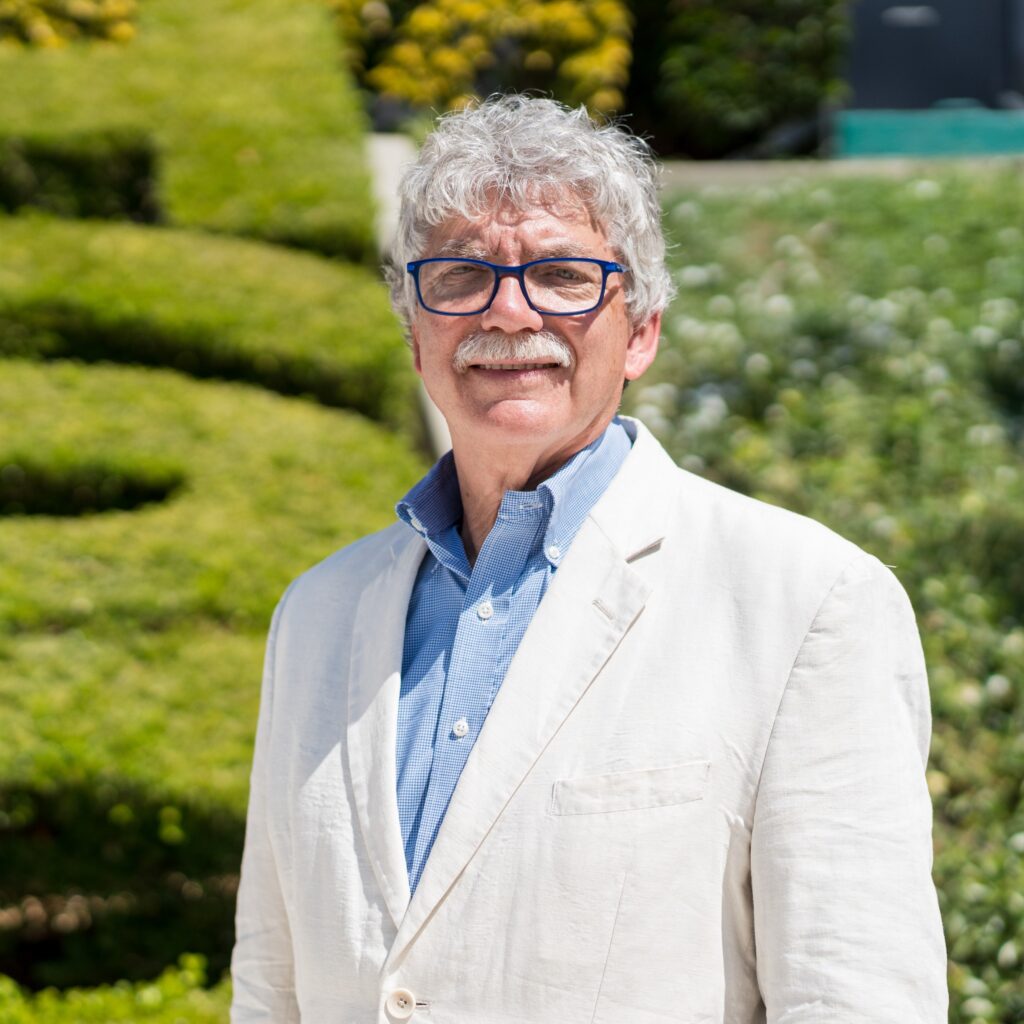
Lawrence Liberti, PhD, is the director of the D.K. Kim International Center for Regulatory Science and associate professor of the Department of Regulatory and Quality Sciences. Prior to his USC appointments, Liberti was head of regulatory collaborations at the Centre for Innovation in Regulatory Science in London and an adjunct research professor at Temple University […]
Dillon P. Cogan, PhD
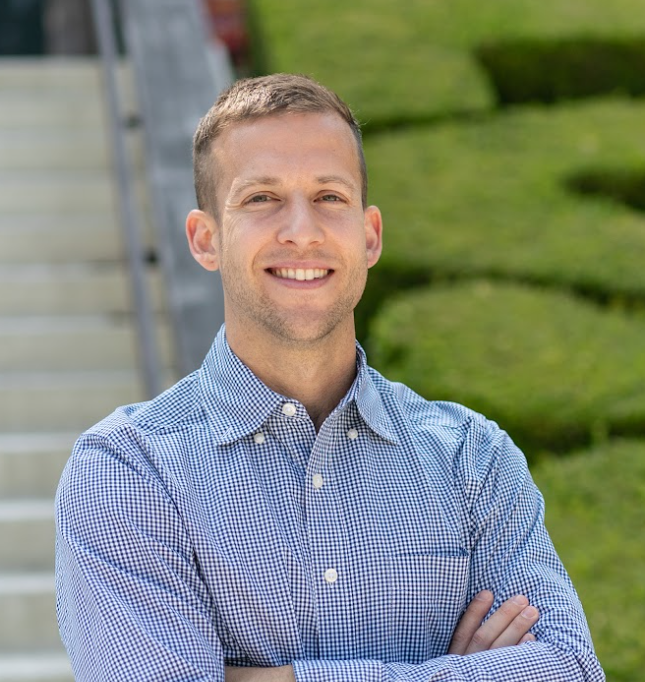
Publication links: https://www.ncbi.nlm.nih.gov/myncbi/1PYmYl0SS7GA6H/bibliography/public/
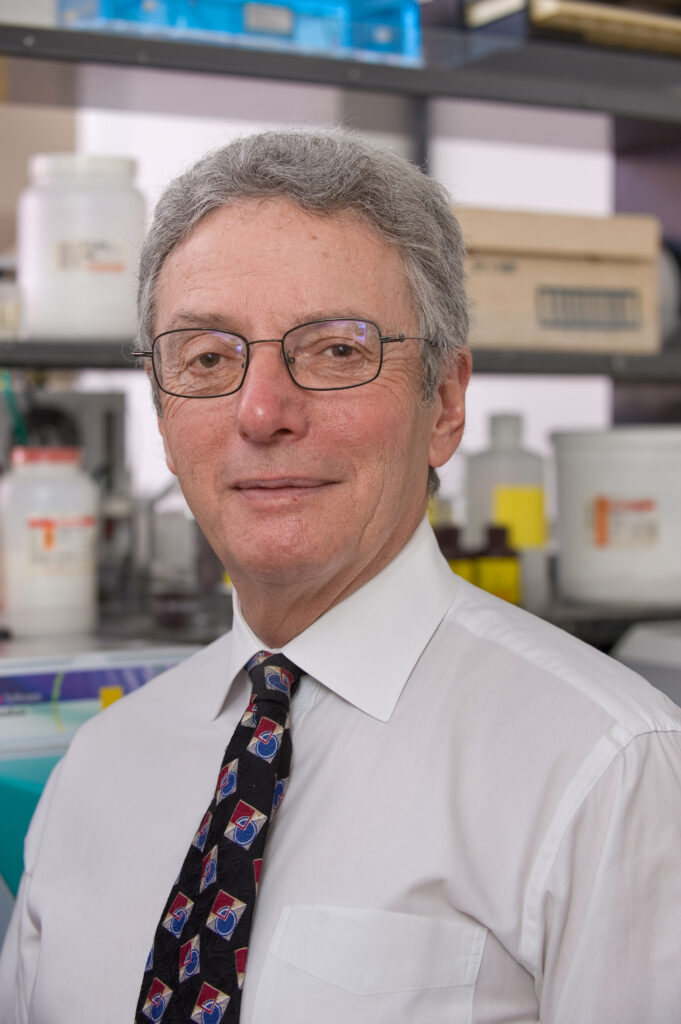
Neil Kaplowitz, MD
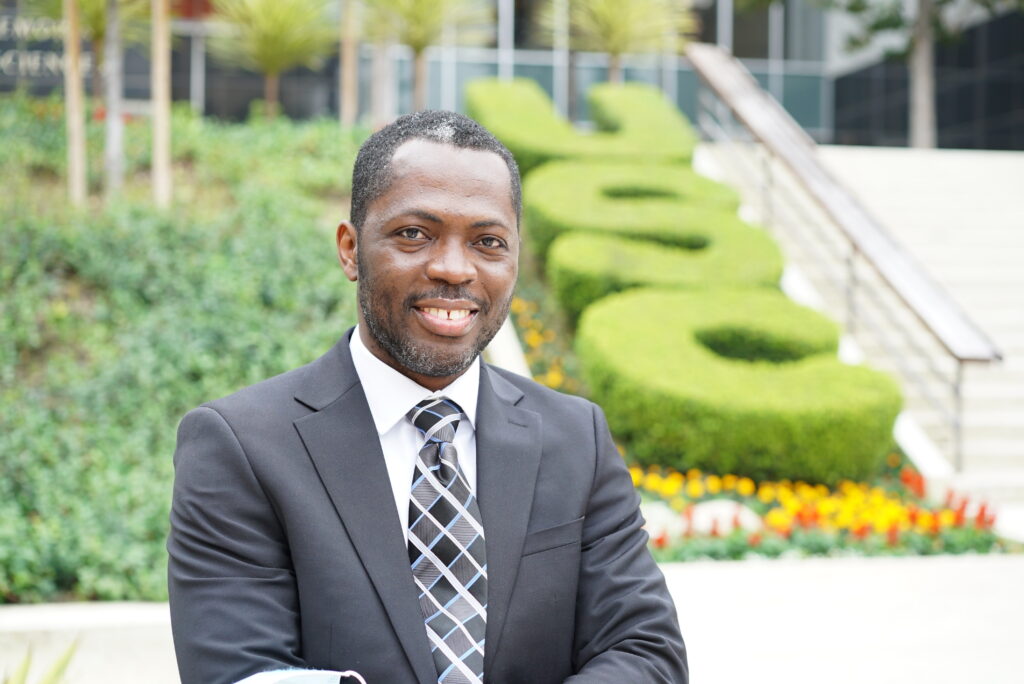
Isaac Asante, PhD
Allison Chacon, PharmD, APh
Allison Chacon, PharmD, APh is an Assistant Professor of Clinical Pharmacy at USC Mann School of Pharmacy and Pharmaceutical Sciences. She completed a PGY-1 Community-Based Pharmacy Residency Program (CPRP) at the USC Pharmacies followed by a PGY-2 CPRP focused on Pain Management and Rheumatology. In her experiences as a PGY-1 resident, she was a leading […]
Brian Ma, PharmD, BCPS
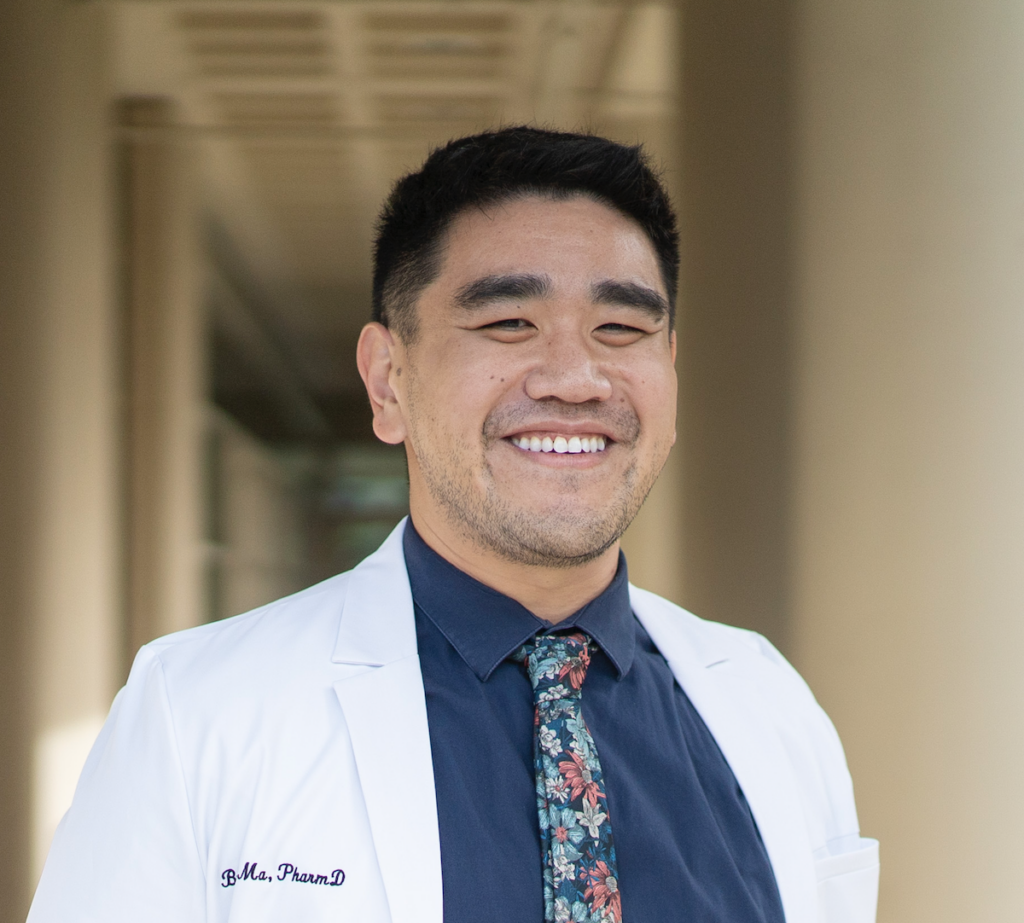
Brian Ma, PharmD, BCPS received his PharmD from the University of California, San Francisco (UCSF) and completed his post-graduate residency training at the USC Alfred E. Mann School of Pharmacy and Pharmaceutical Sciences. He is an Assistant Professor of Clinical Pharmacy, the Director of the Introductory Pharmacy Practice Experience (IPPE) Programs at USC Mann, and […]